
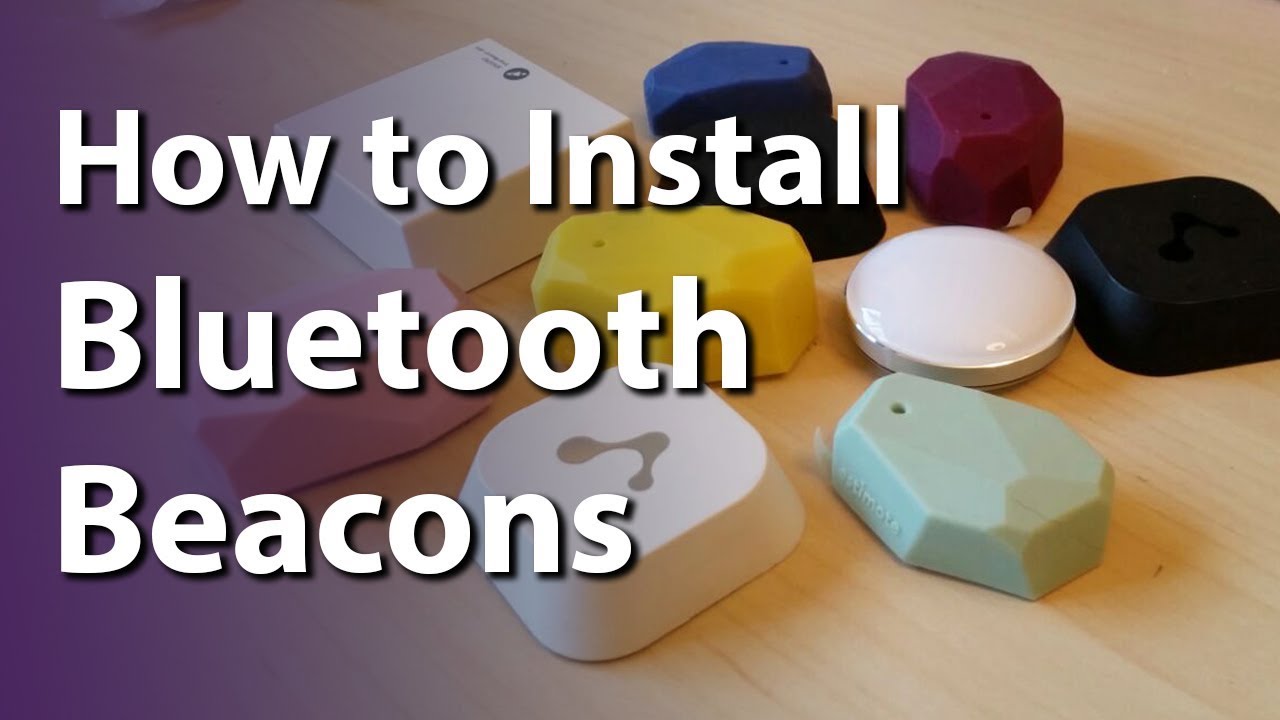
What is a BLE Beacon?
A BLE (Bluetooth Low Energy) Beacon is a small, battery-powered device that continuously broadcasts a unique identifier signal using Bluetooth 4.0+ technology. These compact devices — typically the size of a coin or a small button — can be placed anywhere: on a wall, on a desk, or near an entrance.
When a smartphone or tablet with the right app comes within range (typically 1–70 meters), it detects the beacon signal and can determine the user's proximity and location.
How BLE Beacons Work for Attendance
In a time & attendance context, BLE beacons work as follows:
The Process
1. Beacon placement — A BLE beacon is installed at each location where you want to track attendance (office entrance, factory floor, restaurant kitchen)
2. Employee app — Each employee installs a mobile app on their smartphone
3. Automatic detection — When the employee enters the beacon's range, the app detects the signal
4. Clock-in/out — The app records the timestamp and sends it to the cloud platform
5. Cloud processing — The platform processes the event, assigns it to the correct shift, and calculates work hours
Key Technical Specifications
| Parameter | Value |
|---|---|
| Bluetooth version | 4.0+ (BLE) |
| Range | 1–70 meters (adjustable) |
| Battery life | 1–3 years |
| Power consumption | Ultra-low (~0.01W) |
| Frequency | 2.4 GHz ISM band |
| Size | ~30–50mm diameter |
| Protocols | iBeacon, Eddystone |
BLE Beacon vs. Biometric Terminals
| Feature | BLE Beacon | Biometric Terminal |
|---|---|---|
| Installation | Simple (sticky tape/screw) | Professional (wall mount, cabling) |
| Cost per point | ฿500–2,000 | ฿6,000–25,000 |
| Power | Battery (1–3 years) | Wired (12V DC or PoE) |
| Network | Via employee phone | LAN/WiFi required |
| Identity verification | Phone-based (GPS + Bluetooth) | Face/fingerprint/card |
| Anti-fraud | Moderate (GPS + proximity) | High (biometric) |
| Scalability | Excellent | Good |
| Best for | Mobile workers, multi-site | Fixed locations, high security |
When to Use BLE Beacons
Ideal Use Cases
When Biometric Terminals Are Better
Deployment Guide for System Administrators
1. Site Planning
2. Beacon Configuration
3. Mobile App Setup
4. Integration with WLTT Platform
WLTT's cloud platform at saas.wltt.asia supports multiple attendance input methods:
All methods feed into the same unified dashboard, reports, and payroll system.
Security Considerations
Anti-Spoofing Measures
Privacy & Compliance
Cost Analysis
Small Business (3 locations, 30 employees)
| Item | Cost |
|---|---|
| 3× BLE Beacons | ฿3,000–6,000 |
| Mobile app deployment | Included |
| WLTT Platform (Starter) | ฿650/month |
| Total first year | ฿10,800–13,800 |
Compare with 3 biometric terminals: ฿24,000–75,000 + installation.
Conclusion
BLE Beacons are an excellent complement to traditional biometric terminals — not necessarily a replacement. The ideal setup often combines both:
WLTT provides both solutions, backed by 10+ years of engineering experience in Thailand. Whether you need biometric hardware, BLE beacon deployment, or a complete IT infrastructure solution — we've got you covered.
Contact WLTT for a consultation: [email protected] | +66 800 800 911 | wltt.asia